
Alice Neel and the Art of Seeing: Why Her Portraits Continue to Resonate with Collectors and Museums
Alice Neel and the Art of Seeing: Why Her Portraits Continue to Resonate with Collectors and Museums
Written by: Christian Answini | Senior Fine Art Specialist
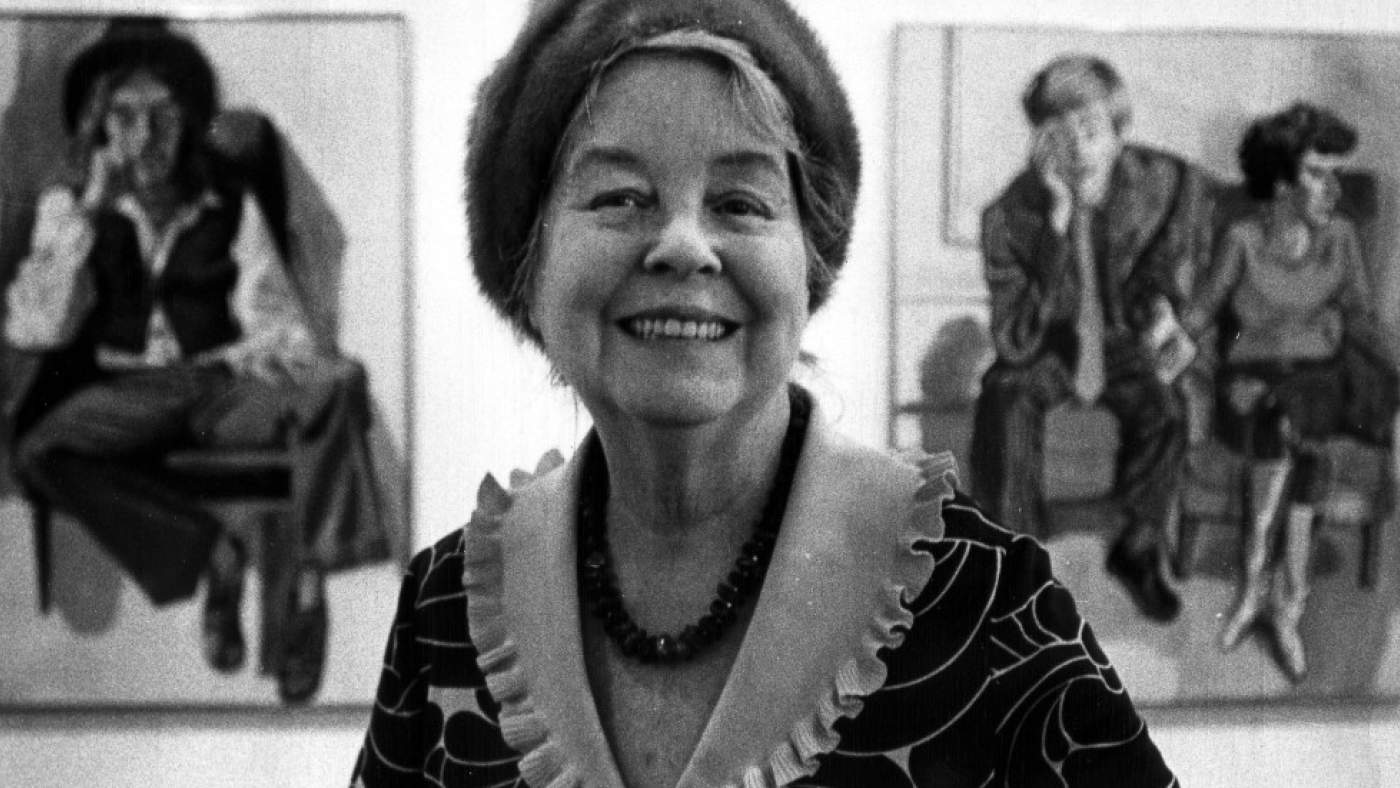
Few 20th century artists transformed portraiture as profoundly as Alice Neel. While many portrait painters sought to flatter their sitters or commemorate status and achievement, Neel pursued something more elusive: the truth of the individual before her. Her paintings are not merely likenesses—they are intimate studies of personality, vulnerability, intellect, and humanity. Over a career that spanned more than six decades, Neel created an extraordinary visual record of twentieth-century America through the people she chose to paint. Artists, writers, professors, activists, neighbors, children, and family members all became subjects worthy of her attention. Today, her work is celebrated in major museums around the world, and her portraits continue to resonate with collectors because they reveal something timeless: the complexity of being human. This December, Alderfer Auction is honored to present an unpublished portrait by Alice Neel in its December Fine Arts Auction, offering collectors and scholars alike an opportunity to appreciate a work that has remained within the sitter's family since it was gifted by the artist herself.
.jpg)
An Artist Who Chose People Over Prestige
Born in 1900 in Merion Square, Pennsylvania, Alice Neel developed her artistic voice during a period of tremendous social and cultural change. After studying at the Philadelphia School of Design for Women—today Moore College of Art & Design—she began painting at a time when American art was increasingly embracing abstraction. Neel chose a different path. Rather than turning away from the human figure, she devoted her life to portraiture. Her interest was never in creating formal society portraits or idealized representations. Instead, she sought authenticity. Every wrinkle, gesture, expression, and posture contributed to her understanding of the person sitting before her. For decades, her commitment to figurative painting placed her outside the mainstream of the contemporary art world. While Abstract Expressionism dominated galleries and museums during the mid-twentieth century, Neel quietly continued painting people with unwavering conviction. Recognition came later in life, but when it did, it transformed how scholars viewed American portraiture. Today, Alice Neel is recognized as one of the most important American portrait painters of the twentieth century.
Portraits That Reveal More Than Appearance
Alice Neel often remarked that she painted people because they interested her. That curiosity is evident in every portrait she created. Unlike traditional portraiture, which frequently emphasizes social status, wealth, or accomplishment, Neel focused on psychological presence. Her sitters appear thoughtful, uncertain, confident, vulnerable, curious, or contemplative. Rather than presenting an idealized version of the individual, she embraced the complexity that makes every person unique. Her expressive brushwork, bold color, and direct compositions invite viewers into a conversation with the sitter. Looking at an Alice Neel portrait often feels less like observing a painting and more like meeting someone for the first time. This ability to convey personality rather than perfection is one of the defining characteristics of her work and a major reason museums continue to celebrate her contributions to American modern art.
A Chronicle of Twentieth-Century America
One of the remarkable aspects of Alice Neel's career is the extraordinary range of people she chose to paint. Her subjects included fellow artists, poets, musicians, academics, political activists, neighbors in Spanish Harlem, children, friends, and family members. Rather than focusing exclusively on celebrated public figures, Neel believed every individual possessed a story worth telling. Collectively, these portraits have become an invaluable historical record of twentieth-century American cultural life. They preserve not only the appearance of their subjects but also something of the social and intellectual environments they inhabited. For historians, they offer insight into the communities Neel documented. For collectors, they provide deeply personal works of art whose significance extends well beyond aesthetics.
From Overlooked Painter to Museum Favorite
Although Alice Neel worked steadily throughout her career, widespread recognition did not arrive until the final decades of her life. Major exhibitions introduced her work to broader audiences, and critics increasingly recognized the originality of her vision. Today, her paintings are held in the collections of institutions including the Metropolitan Museum of Art, the Museum of Modern Art, the Whitney Museum of American Art, and the Smithsonian American Art Museum, among many others. Retrospectives and scholarly publications have further cemented her place within the history of twentieth-century American art. This growing institutional recognition has naturally led to increased interest among collectors. Yet beyond the strength of her market lies something even more enduring: an appreciation for portraits that feel remarkably contemporary despite having been painted decades ago. Neel's work reminds us that while fashions, politics, and artistic movements change, the human experience remains universal.
The Importance of Provenance
In portraiture, provenance often contributes as much to a work's historical significance as the image itself. When a portrait remains with the family of the sitter, it preserves an unbroken connection between artist and subject. That continuity enriches our understanding of both the work and the relationships that inspired it. Similarly, paintings that have remained outside the public eye can offer meaningful opportunities for collectors and scholars alike. Fresh-to-the-market works expand the documented body of an artist's career while preserving stories that might otherwise remain unknown. For an artist as thoroughly studied as Alice Neel, these moments are particularly meaningful.
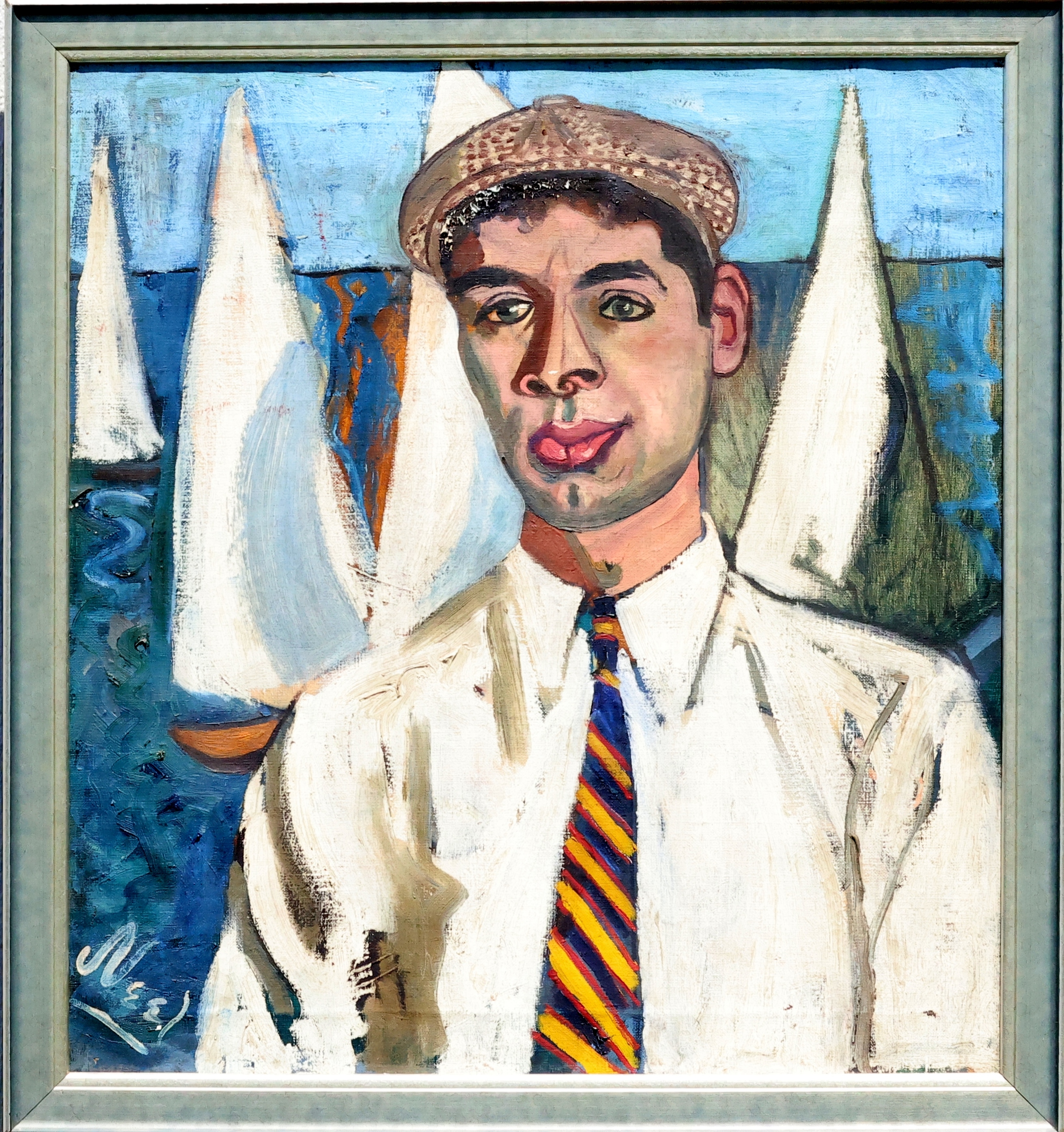
Among the highlights of Alderfer Auction's December Fine Arts Auction is an exceptional portrait by Alice Neel depicting Dr. William Hanaway Jr., a distinguished professor at the University of Pennsylvania and an internationally respected scholar of Persian language, literature, and culture. Dr. Hanaway was an accomplished sailor in his youth and a member of the Bellport Bay Yacht Club on Long Island, a connection that may be reflected in the sailboats that appear behind him in the portrait, adding interest and a subtle personal dimension to the composition.
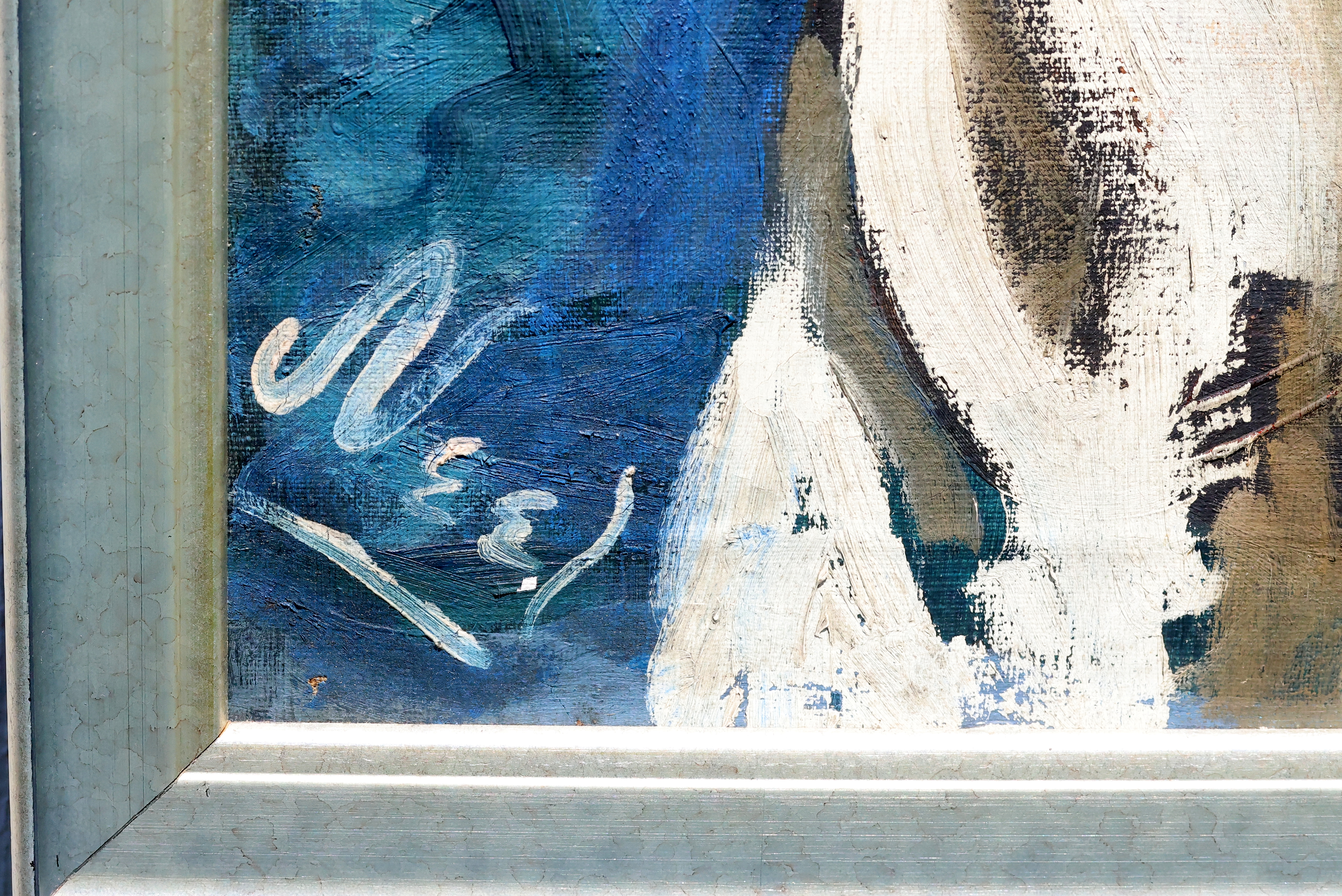
The painting possesses a remarkable provenance that deepens its historical significance. It has remained in the Hanaway family since Alice Neel gifted the portrait to her friend, Nell Prince Hanaway, Dr. Hanaway's mother. To the best of our knowledge, the work has never been publicly exhibited or published, preserving an important chapter of Neel's artistic legacy within the family for whom it was created.
Behind Dr. Hanaway, sailboats glide across a tranquil blue harbor—a likely reference to his longtime connection with the Bellport Bay Yacht Club. Rather than serving as a generic backdrop, the nautical setting gives the portrait a distinct sense of place and personality, reinforcing Alice Neel's gift for capturing not only a sitter's likeness but aspects of the life they lived beyond the studio.
The portrait also reflects many of the qualities that define Neel's finest work. Rather than emphasizing academic achievement or professional distinction, she presents Dr. Hanaway first and foremost as an individual. His thoughtful expression, relaxed posture, and direct gaze invite viewers to engage with the person behind his accomplishments. The result is a portrait that is both deeply personal and historically meaningful—a testament to Neel's extraordinary ability to reveal character through paint.
The Enduring Power of Alice Neel's Vision
More than forty years after her death, Alice Neel's portraits continue to inspire audiences because they resist easy categorization. They are simultaneously works of art, historical documents, psychological studies, and deeply personal encounters between artist and sitter. In an era increasingly fascinated by authenticity, Neel's paintings feel more relevant than ever. They ask viewers to slow down, to look carefully, and to recognize the individuality of every face before them. The Portrait of Dr. William Hanaway Jr. embodies these enduring qualities while offering exceptional provenance that connects the work directly to the artist and the family who have cared for it for decades. It serves not only as a portrait of a distinguished scholar but also as a window into the friendships, communities, and intellectual circles that shaped Alice Neel's remarkable career.
We invite collectors, scholars, and admirers of American art to explore this significant portrait in Alderfer Auction's December Fine Arts Auction and to learn more through the online catalog.