
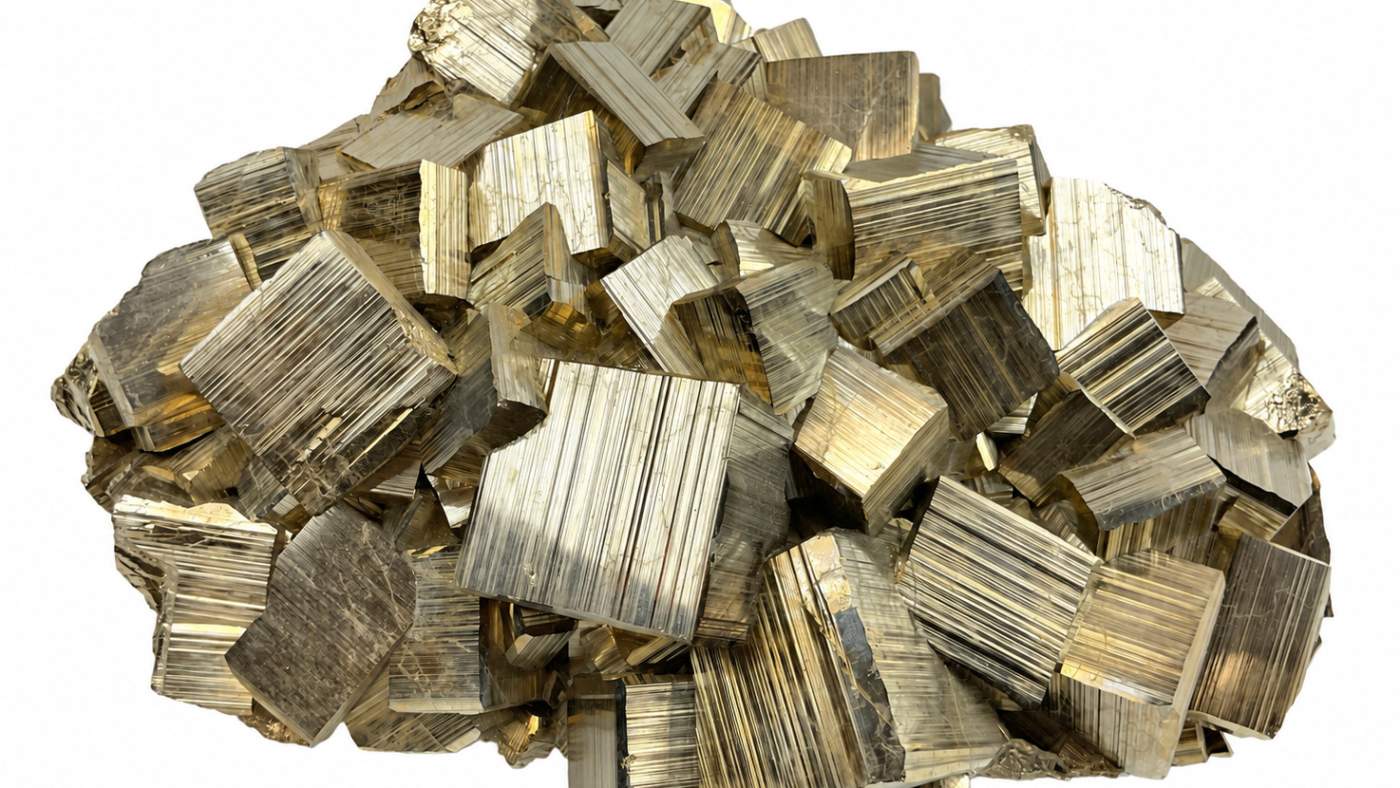
Nature’s Geometry: The Remarkable World of Pyrite Crystals
At first glance, a perfect cube of golden pyrite looks almost too precise to be natural. Its flat faces, sharp edges, and metallic luster can resemble something carefully cut and polished by a craftsman. Yet some of the world's most striking pyrite crystals emerge from the earth with their geometric shapes already formed.
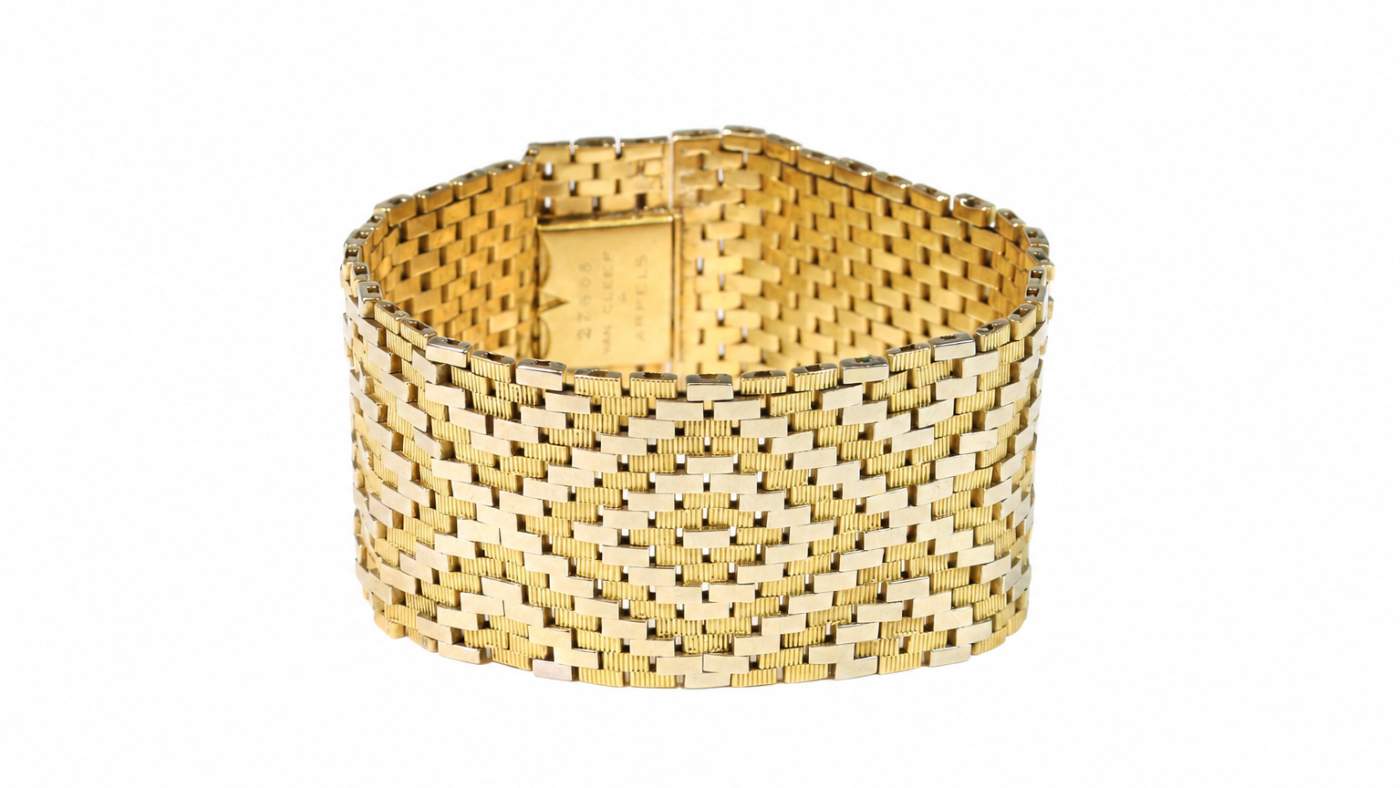
The Art of Gold: Van Cleef & Arpels and the Beauty of the Mesh Bracelet
Gold is usually thought of as solid: a precious metal shaped into rings, cast into forms, or set with gemstones. But in the hands of an accomplished jeweler, gold can behave almost like fabric. An 18K yellow and white gold Van Cleef & Arpels mesh bracelet, offered in Alderfer Auction’s December Fine Art Auction, demonstrates just how transformative that idea can be. Hundreds of small interconnected elements create a broad, flexible bracelet with a repeating geometric pattern. Contrasting colors and textures give the surface depth, while the construction allows solid gold to take on the fluid character of a woven textile. It is an intriguing example of another side of Van Cleef & Arpels—one where the artistry comes not from a prominent gemstone or instantly recognizable motif, but from gold itself.
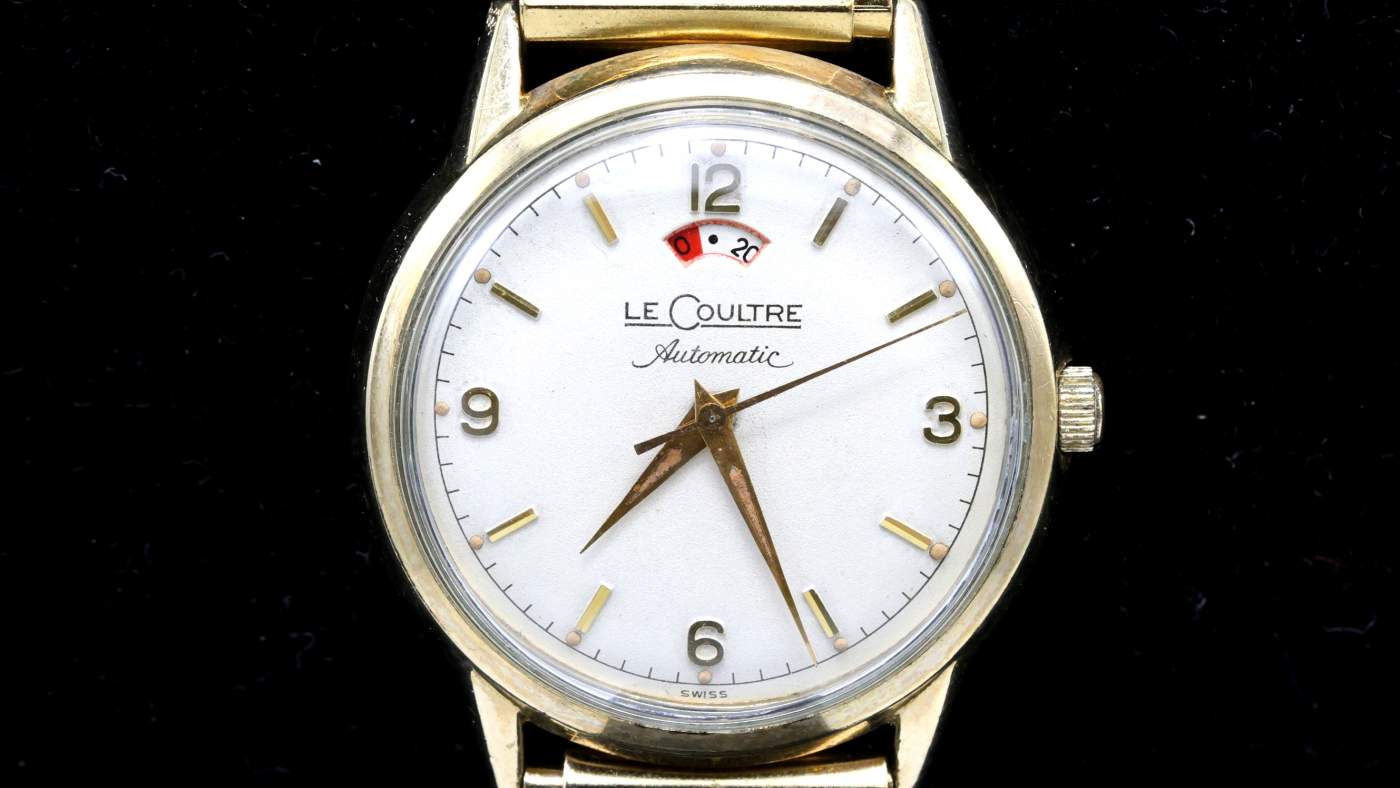
From the Wrist to the Mantel: The Ingenious Watchmaking of Jaeger-LeCoultre
Few names in Swiss watchmaking demonstrate mechanical creativity quite like Jaeger-LeCoultre. From sophisticated automatic wristwatches small enough to disappear beneath a shirt cuff to clocks designed to run using tiny changes in atmospheric temperature, the manufacture has spent generations finding ingenious ways to measure time.

Found an Old Binder of Pokémon or Magic Cards? Here’s What to Look for Before You Sell
Perhaps you found it while cleaning out your childhood bedroom, sorting through an estate, or opening a box that hadn't been touched in 20 years. Inside are pages of Pokémon or Magic: The Gathering cards—some carefully organized, others stacked together with no apparent order. A few are holographic. Some look unusual. And suddenly you're asking the obvious question: Are any of these cards valuable? The answer isn't always apparent at first glance. Age alone doesn't make a trading card valuable, and the flashiest card in a binder isn't necessarily the most desirable one.

Alderfer Auction Comes to Wayne: Auction Evaluations on the Main Line
For more than six decades, Alderfer Auction has helped families, collectors, estate professionals, and individuals understand the objects in their care and determine what comes next. Now, that expertise is even more accessible to residents of Philadelphia’s Main Line. Alderfer Auction is pleased to introduce our new location at 303 West Lancaster Avenue, Suite 2C, Wayne, PA 19087, conveniently located above The UPS Store. Every Wednesday from 10:00 AM to 3:00 PM, visitors can bring fine art, antiques, jewelry, silver, collectibles, and other property to the Wayne office for auction evaluations with Appraiser and Sales Associate Allyson Babcock, a longtime member of the Main Line community.
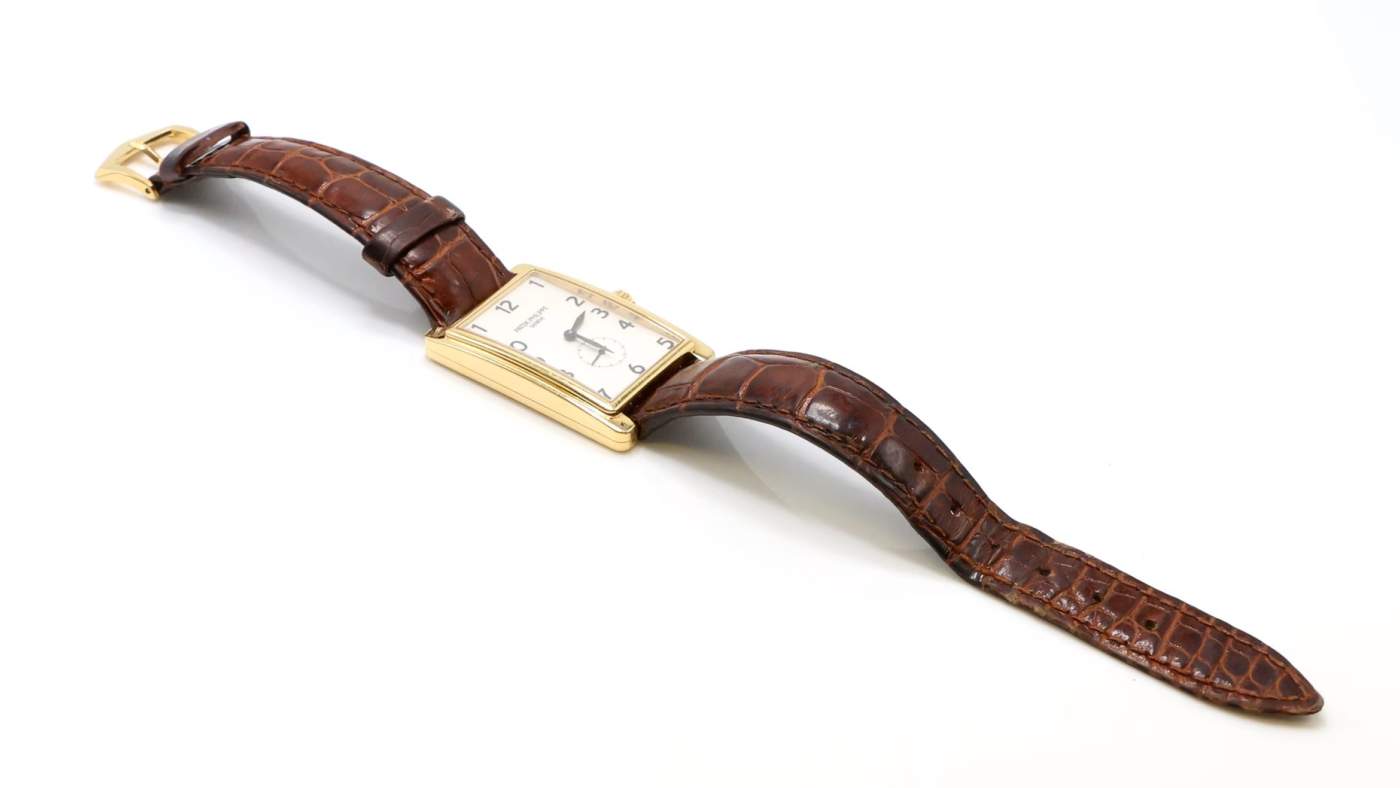
Patek Philippe Gondolo Ref. 5009: The Art of the Form Watch
For more than a century, the round wristwatch has dominated watchmaking. Its shape follows the natural sweep of hands around a dial, making it both practical and familiar. Yet some of the most memorable watches ever produced have challenged that convention.
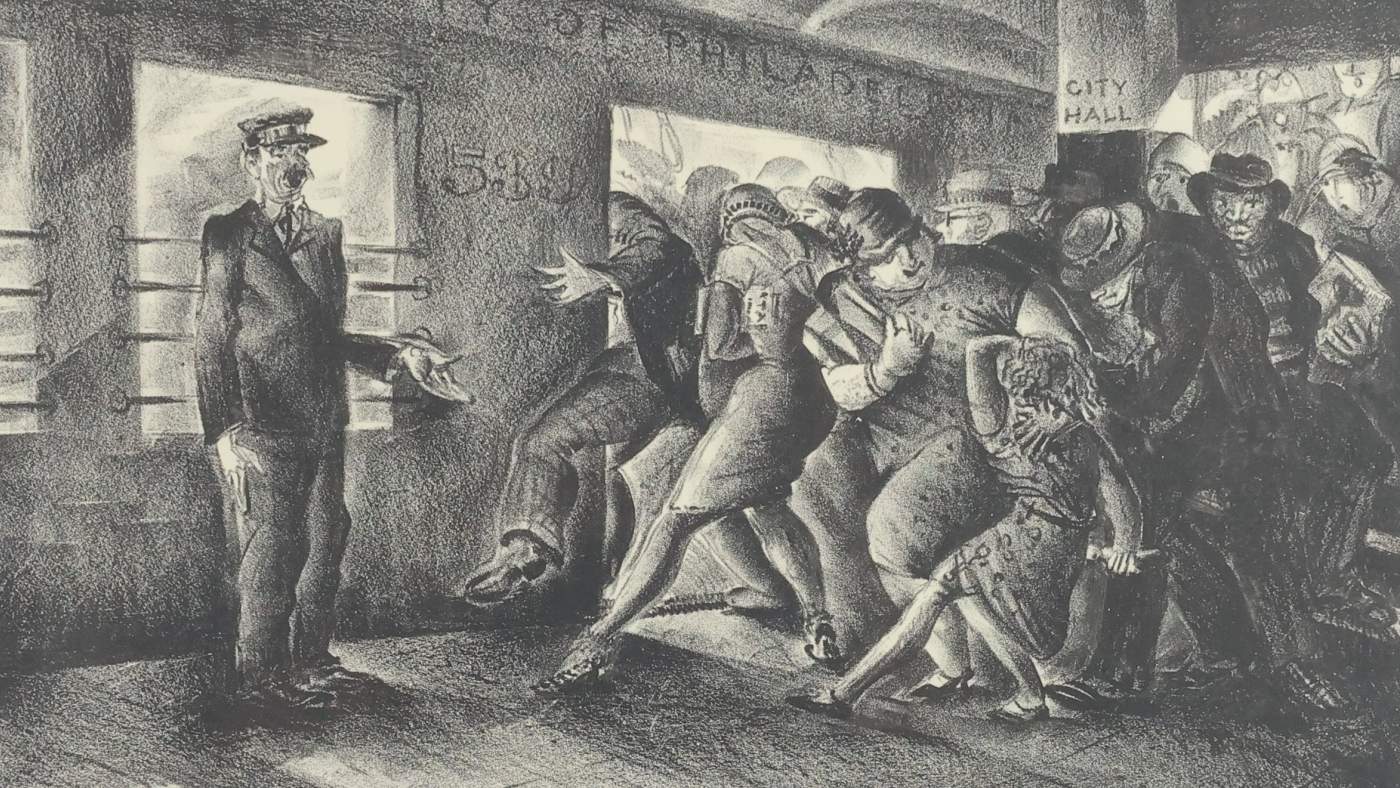
Benton Spruance and the American Scene: 5 Powerful Lithographs of Modern Life
Benton Spruance found compelling subjects in the world around him. Football players racing across a field, commuters pushing through a station, crowds gathering in the city, and even the quiet architecture of a Pennsylvania street could become the starting point for an extraordinary lithograph.