
Found an Old Binder of Pokémon or Magic Cards? Here’s What to Look for Before You Sell
Found an Old Binder of Pokémon or Magic Cards? Here’s What to Look for Before You Sell
Written by: Christian Answini | Senior Fine Art Specialist
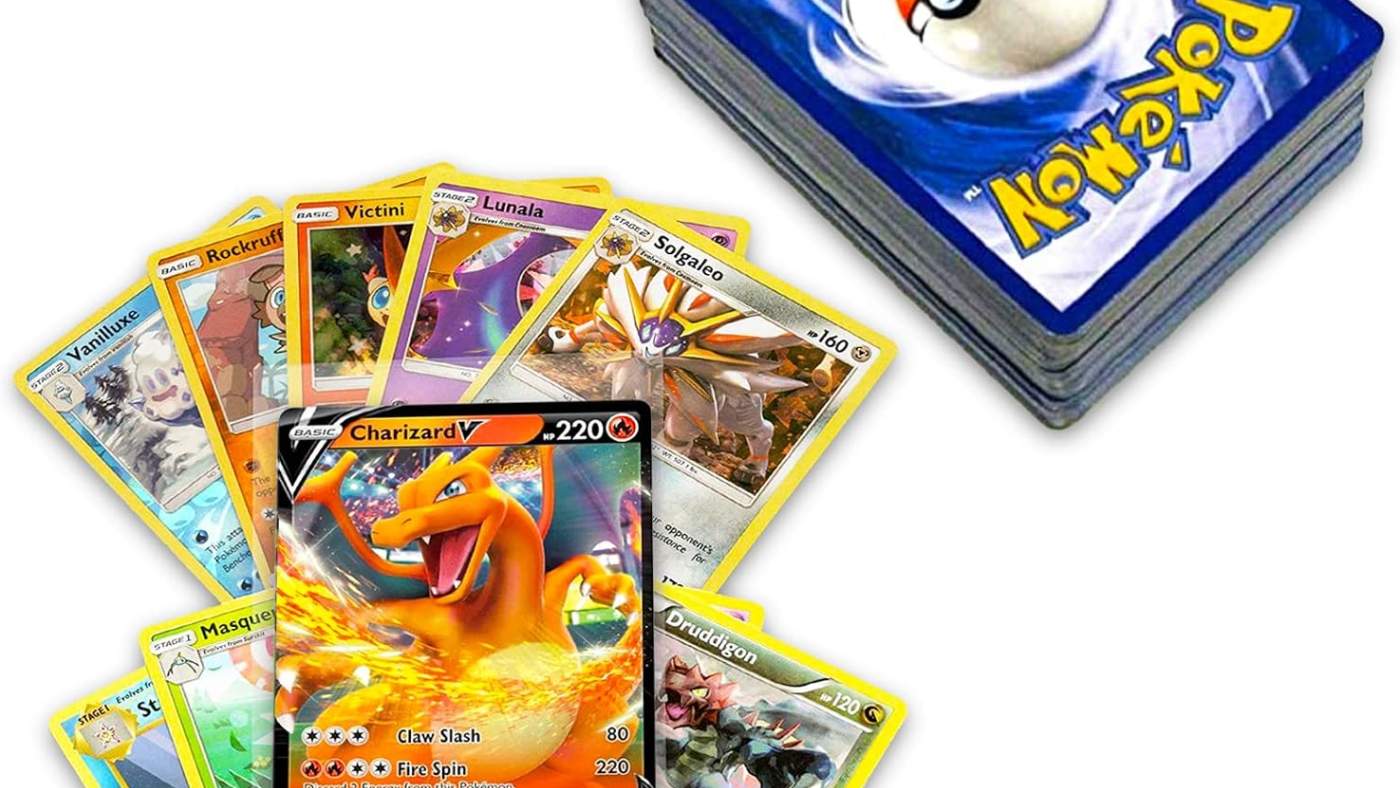
Perhaps you found it while cleaning out your childhood bedroom, sorting through an estate, or opening a box that hadn't been touched in 20 years. Inside are pages of Pokémon or Magic: The Gathering cards—some carefully organized, others stacked together with no apparent order. A few are holographic. Some look unusual. And suddenly you're asking the obvious question: Are any of these cards valuable? The answer isn't always apparent at first glance. Age alone doesn't make a trading card valuable, and the flashiest card in a binder isn't necessarily the most desirable one.
Before selling an old Pokémon or Magic collection, there are several things worth checking.
1. Don't Start by Pulling Everything Out of the Binder
The temptation is understandable. You find an old collection and immediately want to sort every card into piles. First, take a look at how the collection is organized. Are the cards arranged by set? Are there duplicates? Are certain cards sleeved separately? Does the binder appear to contain complete or nearly complete sets? Are unopened packs or other original products stored with the collection? How a collection was assembled can provide useful clues about the original collector's intentions. More importantly, unnecessary handling can create new condition problems. Cards can be scratched, bent, creased, or damaged along their edges simply by repeatedly removing them from tight binder pages or sleeves. If you aren't sure what you have, careful handling is a good place to start.
2. Look for Early Pokémon Cards and Set Information
For people rediscovering childhood Pokémon collections, early cards naturally receive considerable attention. But identifying an early Pokémon card involves more than spotting a familiar character. Look closely at the card's set symbol, card number, copyright information, rarity indicator, and other printing characteristics. Different printings of what appears to be the same card can have meaningful differences for collectors. First Edition markings are an obvious example, but they aren't the only distinction worth examining. Set, printing, language, promotional distribution, and variations can all matter. This is one reason researching cards solely by character name can be misleading. Searching for "old Charizard," for example, may produce results for cards from different sets, years, printings, and conditions. Correct identification comes first.
Real-World Auction Result: First Edition Charizard
.jpg)
In March 2022, a 1999 Pokémon Base Set First Edition Charizard No. 4 graded PSA Gem Mint 10 sold for $336,000 at Heritage Auctions. The price was not simply for “an old Charizard.” It reflected the exact First Edition, shadowless printing and an exceptional professional grade.
3. Magic: The Gathering Cards Require the Same Careful Eye
An old Magic: The Gathering collection presents its own challenges. Magic debuted in 1993, and its long history includes numerous sets, expansions, reprints, promotional issues, and variations. Some cards have appeared in multiple forms over the years. Collectors may place particular interest on early printings, scarce cards, important cards from the game's history, distinctive artwork, or cards from desirable sets. That makes proper identification essential. A card's name alone may not tell you enough. Two copies bearing the same name and artwork can potentially come from different printings. When examining an older Magic collection, preserve its organization whenever possible and pay attention to set identifiers, borders, copyright information, artwork, and other characteristics that can help establish the correct printing.
Real-World Auction Result: Alpha Black Lotus
.jpg)
A 1993 Magic: The Gathering Alpha Black Lotus graded PSA Gem Mint 10, with a Christopher Rush signature on the case, sold through PWCC on eBay for $511,100 in January 2021. This result shows why set, grade, and distinguishing details must all match before one sale can be treated as a useful comparison. 1993 Magic: The Gathering Alpha Black Lotus, PSA 10, with Christopher Rush signature on the holder. Sold for $511,100 through PWCC on eBay, January 2021. Image: PWCC, via Hypebeast.
4. Condition Can Make a Major Difference
Two copies of the same card can generate very different levels of collector interest depending on condition. Collectors typically examine areas such as corners, edges, surface, centering, scratches, creases, staining, discoloration, and other signs of handling or wear. Holographic surfaces deserve particular attention because scratches may be readily visible under good lighting. This is also where childhood collections become interesting. Trading cards weren't originally purchased by most children as investments. They were played with, traded at school, carried in pockets, shuffled into decks, and handled repeatedly. Finding an older card is one thing. Finding a desirable older card that has survived in unusually strong condition is another.
Don't Try to "Improve" a Card
If you discover something that appears potentially significant, resist the urge to clean, flatten, polish, trim, or otherwise improve it. Collectors generally want to evaluate a card as it actually exists. Protect it carefully and allow an experienced specialist or professional grading company to determine its condition.
5. Holographic Doesn't Automatically Mean Valuable
This is one of the most common misconceptions when people open an old trading card binder. A shiny card looks special, so it must be valuable—right?
Not necessarily.
Holographic, foil, and other special treatments can certainly be desirable, but rarity and value are not determined by appearance alone. The specific card, set, printing, condition, collector demand, and available supply all need to be considered. The opposite can also be true. A visually understated card may be important because of its scarcity, printing, age, or place within the history of the game. In other words, don't evaluate the binder by sparkle alone.
6. Should You Have Your Cards Professionally Graded?
Professional grading has become a major part of trading card collecting. A grading company evaluates a card's condition and, when accepted, encapsulates it in a protective holder with identifying information and a numerical grade. For certain cards, grading can make condition easier for buyers to understand and may affect marketability. But that doesn't mean every old Pokémon or Magic card should be graded before it is sold. Grading involves fees and processing time. If a card doesn't have sufficient collector demand or potential value, the cost of grading may not make sense. This is an area where an evaluation can be particularly helpful. Before submitting dozens—or hundreds—of cards, it may be worthwhile to identify which examples merit closer attention.
7. Don't Judge Value by a Single Online Asking Price
You identify a card, search for it online, and discover someone offering one for $5,000. Have you hit the jackpot? Maybe—but an asking price isn't the same thing as a completed sale. When researching collectible cards, compare the correct printing and comparable condition, and distinguish between what sellers are asking and prices buyers have actually paid. Professional grades can complicate comparisons further. A high-grade encapsulated card shouldn't automatically be used as a value comparison for an ungraded example with visible wear. Markets also change. A price achieved at one point in time doesn't guarantee that another example will achieve the same result later.
Real-World Auction Result: Pikachu Illustrator
A 1998 Japanese Pikachu Illustrator promotional card graded PSA Mint 9 sold for $1,406,250 at Heritage Auctions on March 27, 2026. Only 39 examples were originally distributed through CoroCoro Comic illustration contests. It is an extraordinary rarity, not a reasonable comparison for an ordinary Pikachu card found in a childhood binder.
_(002).jpg)
1998 Japanese Pikachu Illustrator promotional card, PSA 9. Sold for $1,406,250 at Heritage Auctions, March 27, 2026. Image: The Pokémon Company/Heritage Auctions.
When Does an Auction Make Sense for Trading Cards?
Auction can be particularly useful when a collection contains cards with an established collector following or when competitive bidding may help establish current market value. Depending on the collection, it may make sense to offer an important card individually, assemble related cards into groups, or consider a larger collection together. The appropriate approach depends on what the collection actually contains. That's why evaluation comes before the decision to sell. A collection assembled over many years may contain a handful of particularly desirable cards surrounded by hundreds of more common examples. Another may derive much of its appeal from being unusually complete or carefully preserved. There is no single formula that works for every binder.
What Should You Bring to an Evaluation?
If you're considering having a Pokémon or Magic collection evaluated, keep the cards in their existing protective sleeves, holders, or binders whenever practical. Bring along any material associated with the collection as well. That might include unopened packs, sealed products, original boxes, receipts, tournament material, promotional items, or other documentation. If the collection is very large, contacting the auction house before transporting everything can also help determine the best way to proceed.
Frequently Asked Questions About Selling Pokémon and Magic Cards
Are old Pokémon cards automatically valuable?
No. Age is only one consideration. The specific card, set, printing, rarity, condition, and current collector demand can all influence value.
Are old Magic: The Gathering cards valuable?
Some early, scarce, or particularly desirable Magic cards can attract significant collector interest, while many others may be relatively common. Proper identification is essential.
Should I remove cards from an old binder before an evaluation?
Usually, there is little reason to reorganize an entire collection before having it evaluated. Keeping cards protected and preserving the collection's existing organization can be useful.
Should I get my Pokémon cards graded before selling them?
Not necessarily. Grading can make sense for certain cards, but costs and potential benefits should be considered before submitting a large number of cards.
Can an entire trading card collection be sold at auction?
Yes. Depending on its contents, an auction house may recommend individual lots, groups of related cards, or another approach to presenting the collection.
How do I find out what my Pokémon or Magic cards are worth?
Begin with accurate identification and condition assessment. Comparable completed sales can provide useful market information, while an experienced evaluation can help identify cards that warrant additional research.
Before You Sell That Old Binder, Find Out What You Have
An old binder of trading cards can be surprisingly difficult to evaluate.
The card that catches your eye first may not be the most important. A familiar card may exist in several different printings. A small difference in condition can matter. And a collection that appears ordinary to someone unfamiliar with the hobby may contain individual cards worth investigating more closely. So before breaking up the collection, submitting everything for grading, or basing your expectations on an online asking price, start with the most important step: Identify what you actually have.
Alderfer Auction evaluates Pokémon, Magic: The Gathering, and other collectible trading cards and collections for potential auction consignment. Whether you've been collecting for years, inherited a collection, or just opened a long-forgotten box from the closet, our specialists can help determine which cards warrant a closer look and whether auction may be an appropriate next step. Visit Alderfer Auction to learn more about upcoming auctions, evaluations, and selling at auction. Because sometimes that old binder really is just an old binder. And sometimes it's worth opening carefully.
Got other Pokemon Collectibles?
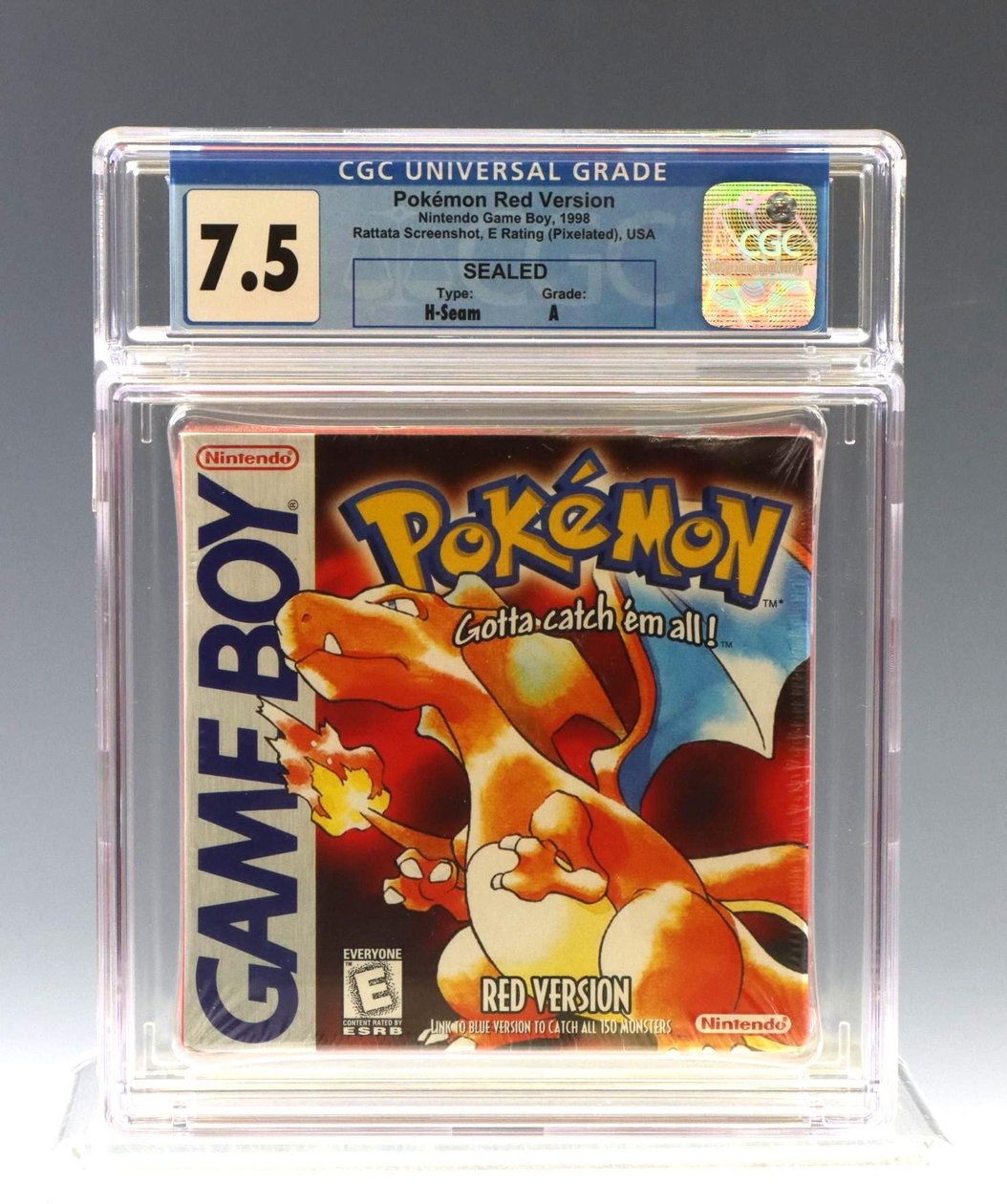
Pokemon Gameboy game sold for $1,875 in 2023 Collectors
Want to Sell at Auction? Get a FREE Evaluation and learn the process with a Complimentary Evaluation:
Ready to discover the auction value of your trading card collection? Alderfer Auction offers complimentary evaluations to help you assess your cards for upcoming sales. You can stop by our Hatfield location on Open Consignment Tuesdays from 1:00 PM to 4:00 PM, or visit our Doylestown office for Evaluation Wednesdays between 10:00 AM and 3:00 PM. For specialized insights, don't miss 1st Thursdays with Christian Answini, with the next session taking place on Thursday, October 1st from 10:00 AM to 3:00 PM at our Doylestown office (3359 Durham Rd., Doylestown, PA). While walk-ins are always welcome, appointments are preferred. To schedule your evaluation or submit photos of your collection, reach out to our team at preview@alderferauction.com or call 215-393-3000.