
Collecting Art Glass: Tiffany, Loetz, Durand, and Steuben at Auction
Collecting Art Glass: Tiffany, Loetz, Durand, and Steuben at Auction
Edited by: Christian Answini | Senior Fine Art Specialist
Art glass has always occupied a special place between fine art and decorative design. It is sculptural, functional, and often dazzling in the way it plays with light. For collectors, the appeal lies not only in the beauty of the object itself, but also in the history of the makers, the complexity of the techniques, and the individuality of each piece. Unlike mass-produced table glass, art glass was created to be admired. Its value comes from a combination of craftsmanship, color, form, surface, rarity, and condition. Alderfer Auction’s Fine and Decorative Arts Auction on June 11th features several desirable examples by some of the most recognized names in the field, including Tiffany, Loetz, Durand, and Steuben. Together, these makers represent the height of late 19th- and early 20th-century art glass production, spanning both American and European traditions. For seasoned collectors and new buyers alike, they offer an opportunity to understand what makes art glass so enduringly collectible.
The Allure of Iridescence
One of the defining qualities of art glass from this period is iridescence. This shimmering, metallic surface effect gives the glass a changing quality depending on the angle of light. Blues, greens, golds, purples, and bronzes can appear to move across the surface, making each object feel alive.
Iridescent glass was not simply decorative. It was a technical achievement. Makers experimented with metallic oxides, heat, and finishing techniques to create surfaces that could resemble oil on water, beetle wings, or ancient buried glass. This effect became especially popular during the Art Nouveau period, when designers were inspired by natural forms, flowing lines, and organic color. For collectors, strong iridescence can be a major factor in desirability. A piece with rich, even color and a luminous surface often has immediate visual appeal. However, subtle examples can be equally compelling, especially when paired with an elegant form or unusual decoration.
Tiffany: The American Standard
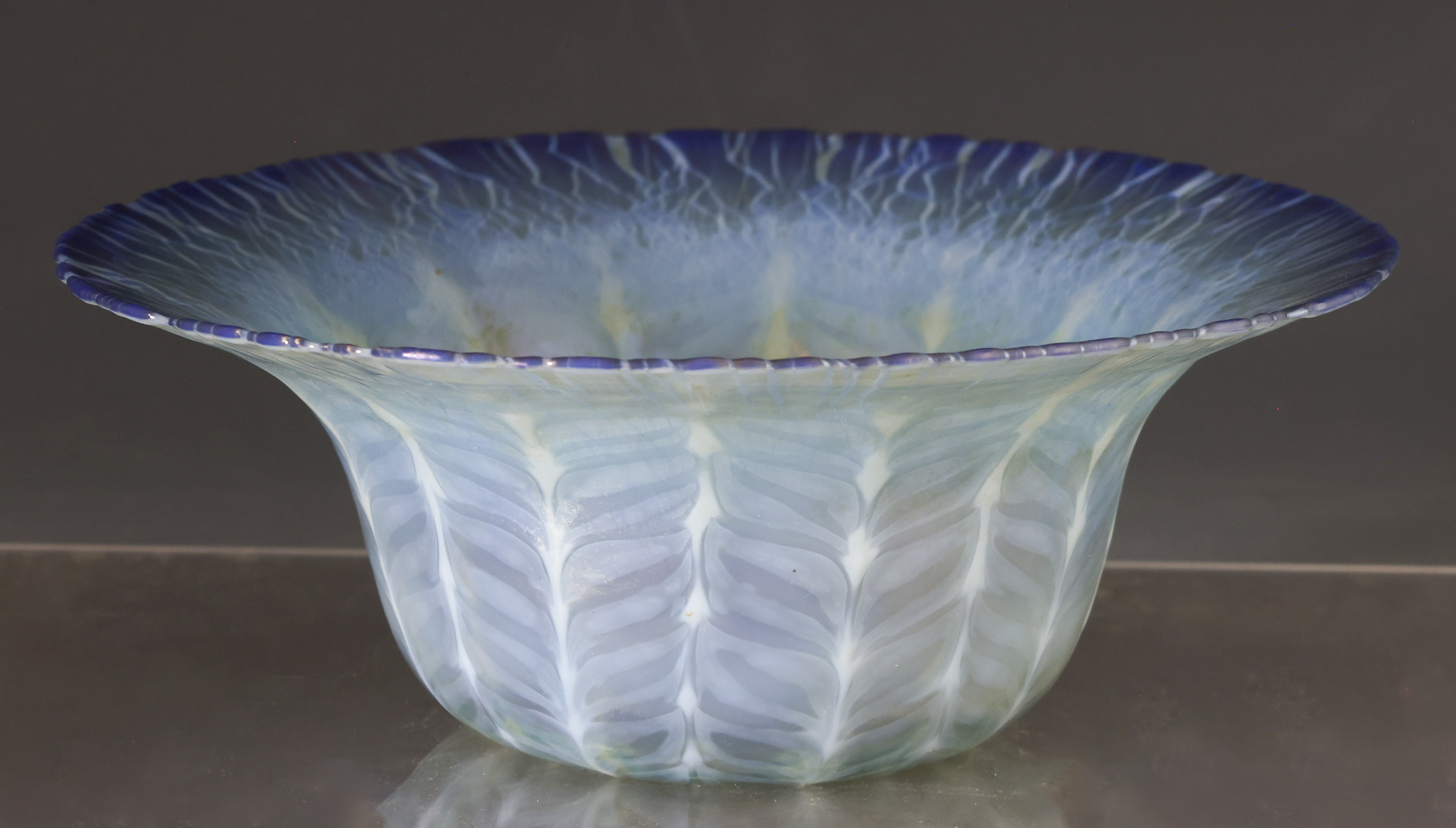
No discussion of art glass can begin without Tiffany. Louis Comfort Tiffany helped elevate American glassmaking into an art form, and his Favrile glass remains one of the most recognizable and collected categories in the field. Patented in the 1890s, Favrile glass was celebrated for its iridescent surface and hand-crafted individuality. The name itself suggested something handmade, unique, and artistic. Tiffany glass often appeals to collectors because it combines name recognition with exceptional quality. Forms can range from simple cabinet vases to elaborate floriform shapes, lamps, bowls, and decorative objects. Many pieces draw inspiration from nature, including flowers, leaves, vines, shells, and feather-like patterns. When evaluating Tiffany glass, collectors often look closely at color, shape, decoration, and signature. A strong Tiffany mark can help support attribution, but overall quality remains essential. Particularly desirable examples may feature vivid iridescence, unusual forms, pulled feather decoration, millefiori elements, or organic shapes associated with the Art Nouveau movement. Tiffany’s reputation also makes it approachable for a broad range of collectors. While rare examples can bring significant prices, smaller pieces can still provide an entry point into one of the most important names in American decorative arts.
Loetz: European Innovation and Color
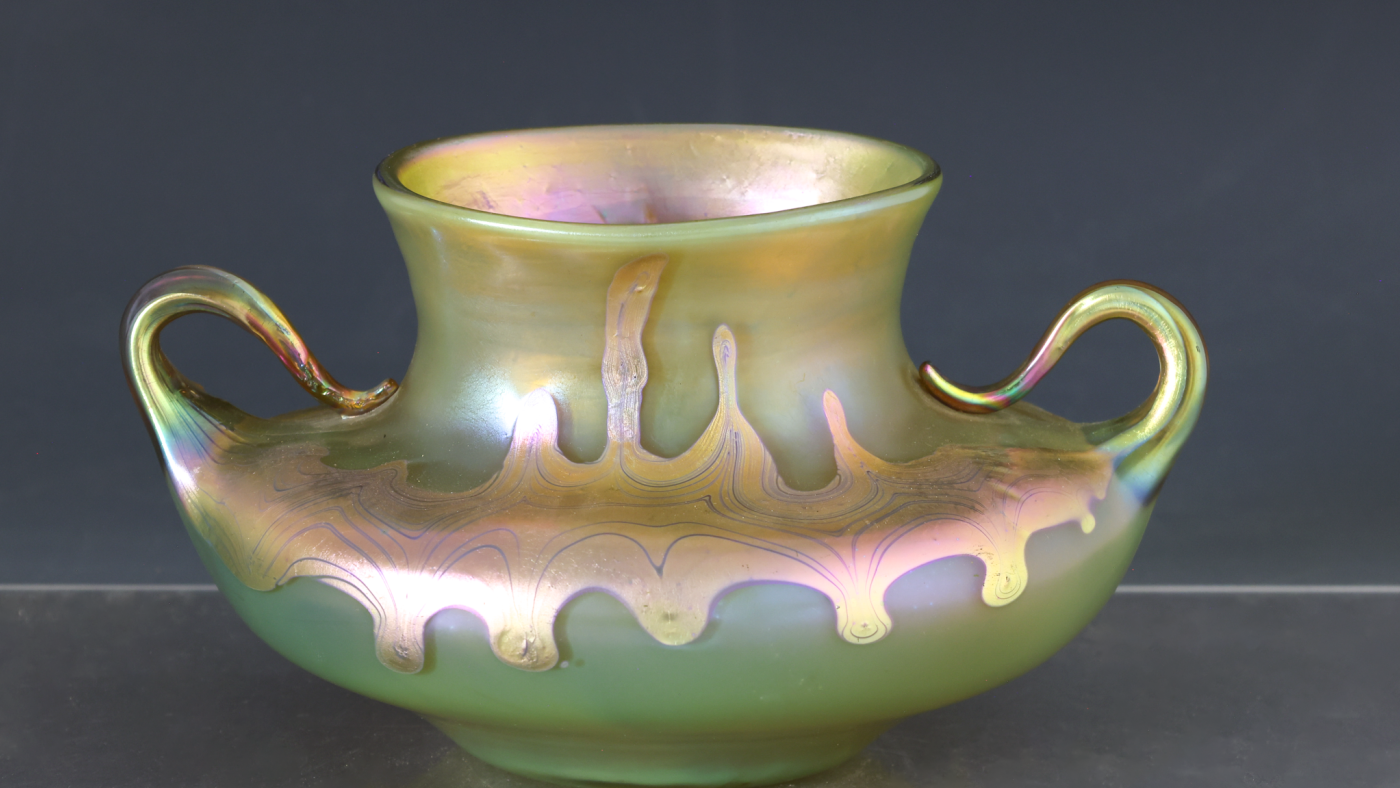
While Tiffany dominated the American market, Loetz became one of the most important European art glass makers of the period. Produced in Bohemia, now part of the Czech Republic, Loetz glass is admired for its experimental surfaces, bold colors, and distinctive decorative techniques.
Loetz is especially known for its iridescent finishes and “Phänomen” designs, which often feature pulled, combed, or threaded decoration across the surface. These pieces can have an extraordinary sense of movement, with patterns that seem to ripple or flow around the form. Collectors are drawn to Loetz for several reasons. First, the range of color and surface decoration is incredibly diverse. Second, many examples have a strong Art Nouveau character, with shapes and surfaces that feel both natural and modern. Third, Loetz offers an exciting field for study. Certain patterns, forms, and production periods are especially sought after, giving collectors the opportunity to build knowledge over time.Condition is particularly important with Loetz, as the glass surface is central to its appeal. Chips, cracks, polishing, or surface wear can affect value. Still, a well-preserved Loetz piece with strong color and decoration remains highly desirable in the art glass market.
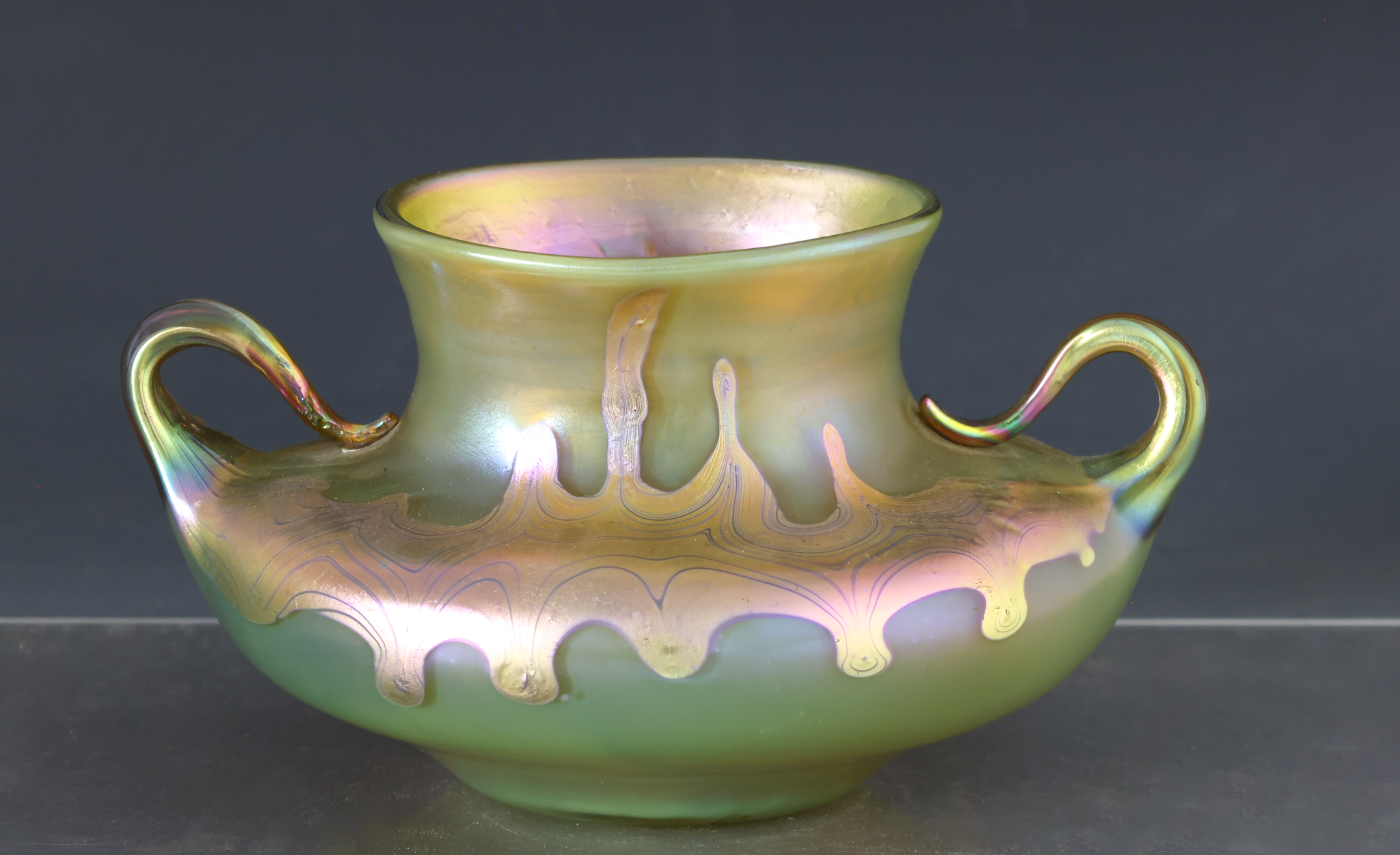
Durand: American Art Glass with Bold Presence
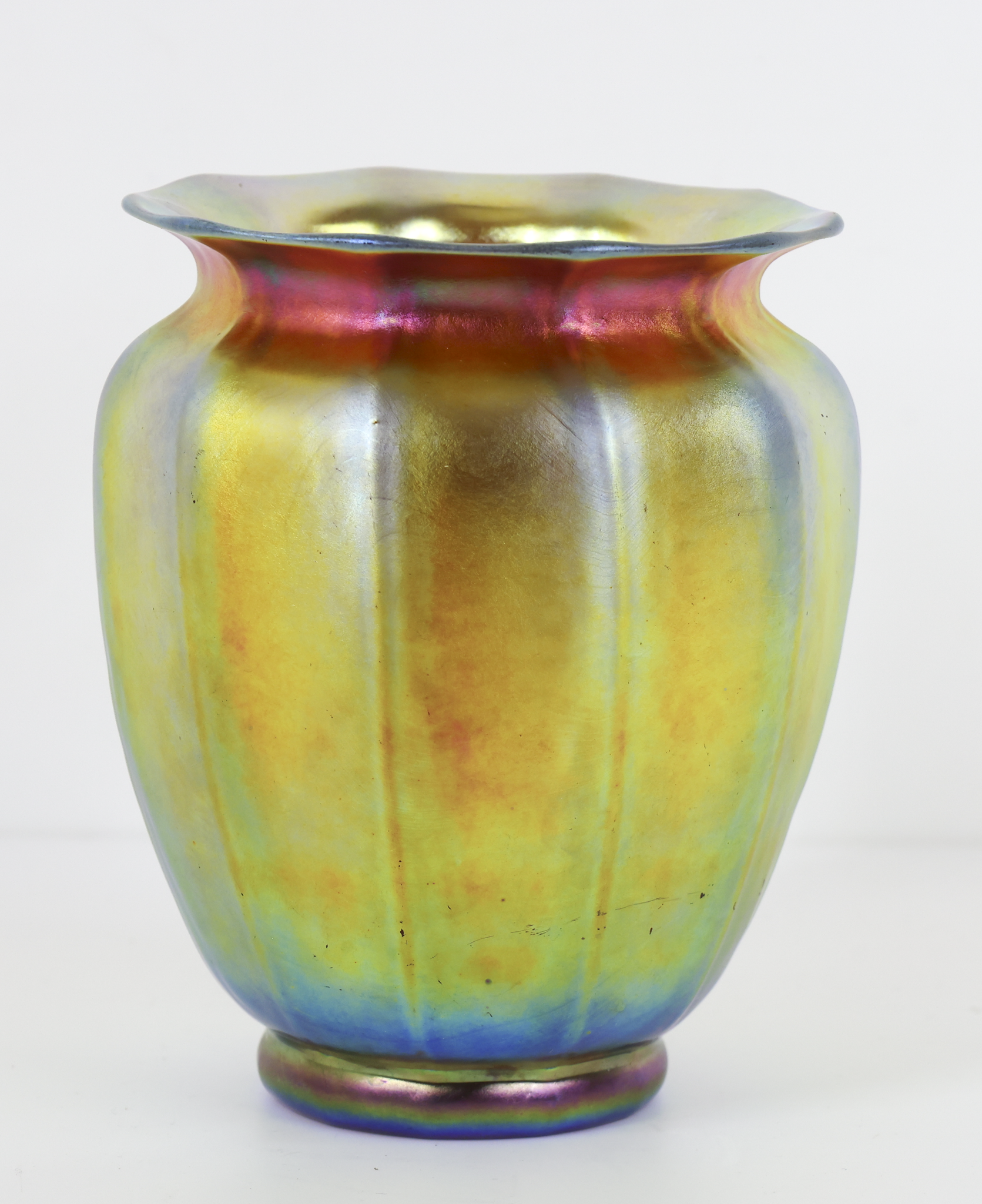
Durand glass was produced by the Vineland Flint Glass Works in New Jersey during the 1920s and has become a respected name among American art glass collectors. Though produced later than Tiffany’s earliest Favrile glass, Durand carried forward the tradition of richly colored, iridescent decorative glass. Durand pieces are often bold and visually striking. They may feature deep blues, golds, greens, purples, and pulled feather or king tut-style decoration. Many examples have a strong presence, making them attractive not only to glass collectors, but also to buyers looking for decorative statement pieces.One reason Durand remains appealing is that it offers a connection to the golden age of American art glass, often at price points that can be more accessible than comparable Tiffany examples. That does not mean Durand is secondary. The best Durand pieces can be beautifully made, highly decorative, and very collectible in their own right. Collectors should look for strong color, appealing form, and condition. Signed examples are desirable, though unsigned pieces may still be collectible when the form and decoration are characteristic. As with all art glass, beauty and quality matter as much as the name.
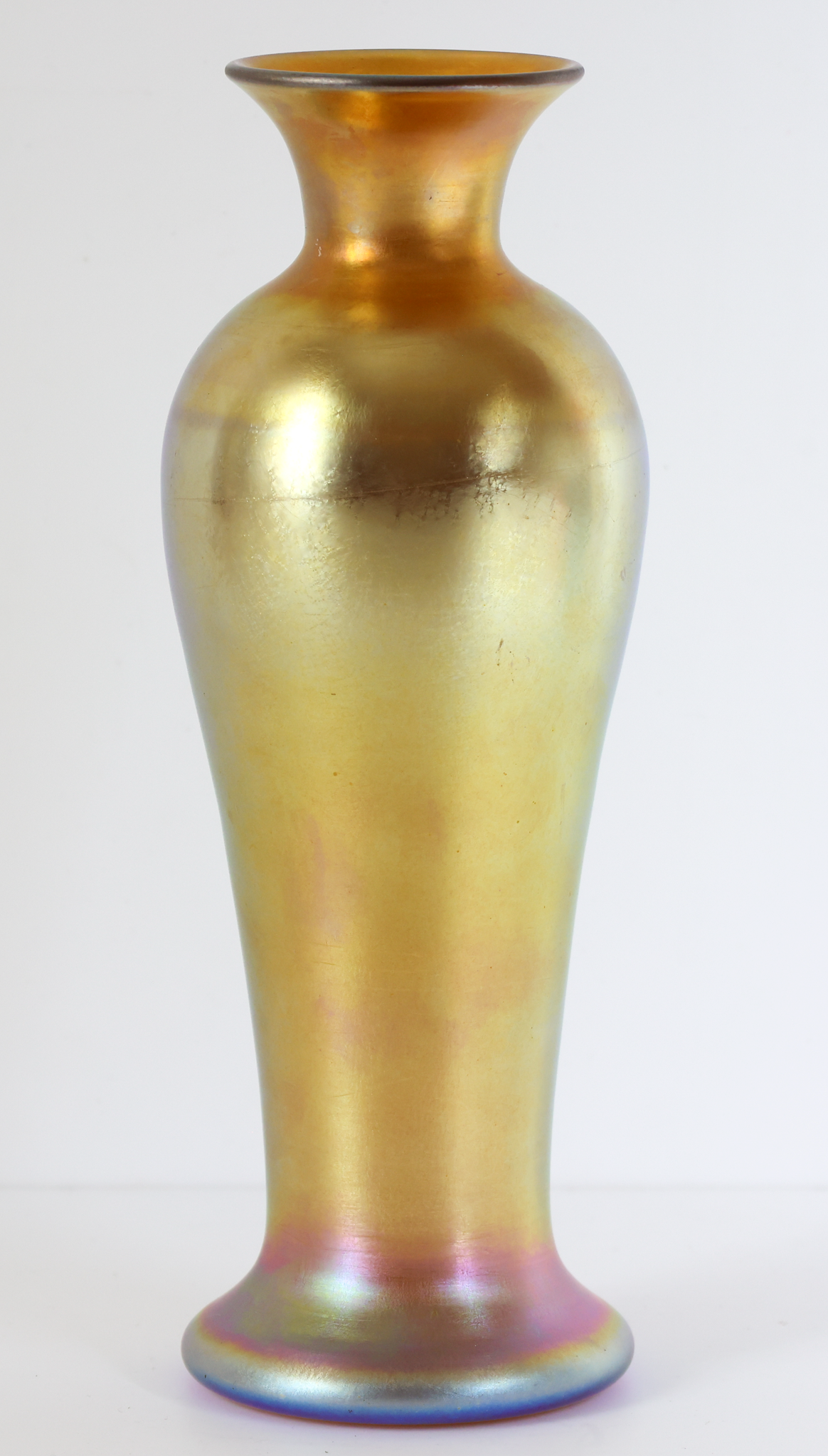
Steuben: Elegance, Clarity, and American Design
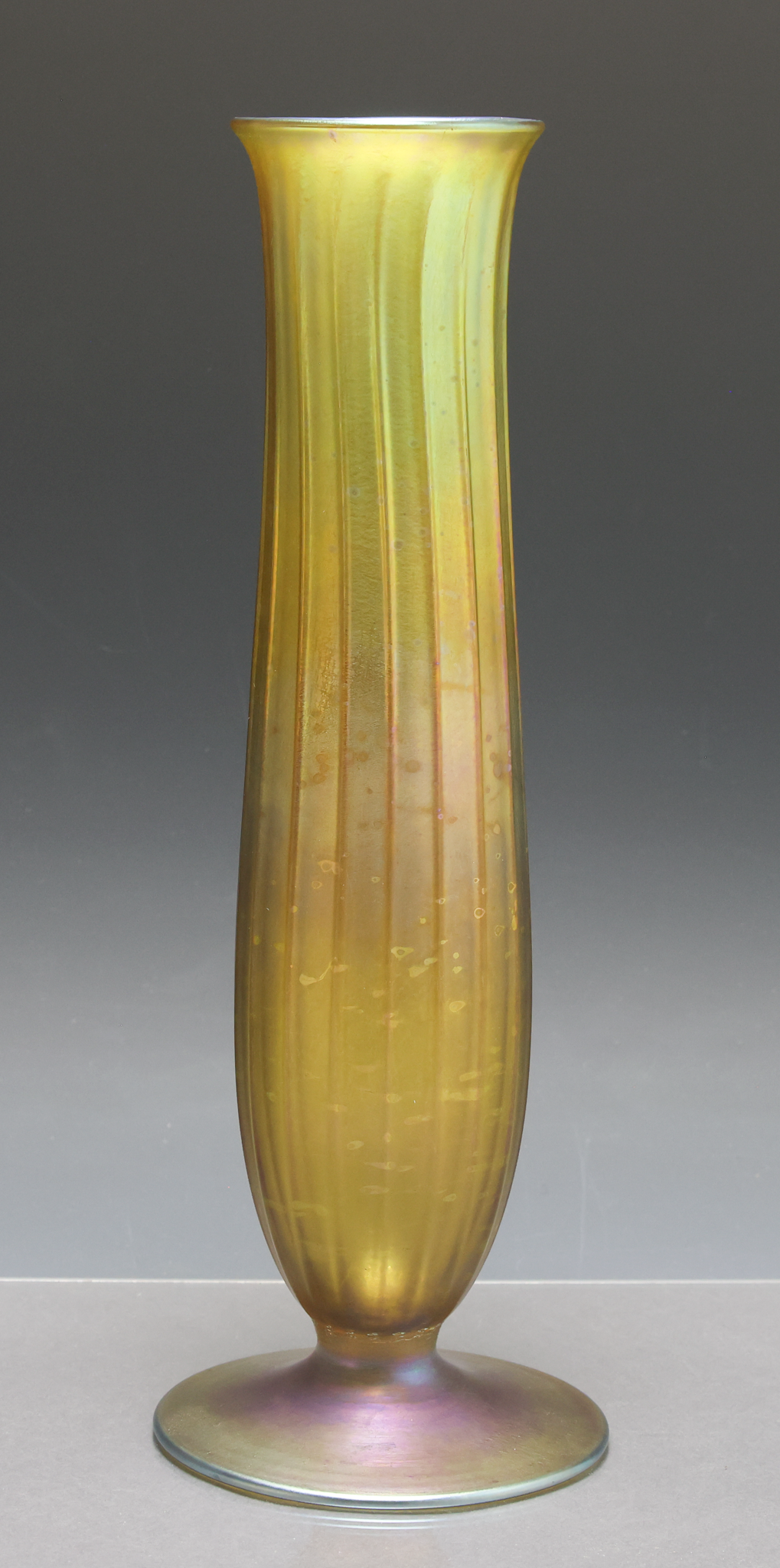
Steuben occupies a slightly different but equally important place in the history of American glass. Founded in Corning, New York, Steuben became known for both colored art glass and later crystal production. Early Steuben pieces, especially those associated with Frederick Carder, are highly regarded by collectors for their color, refinement, and technical excellence. Steuben glass can vary widely in appearance. Some examples are richly colored and iridescent, while others are valued for clarity, elegant lines, and sophisticated form. This variety makes Steuben an especially interesting collecting category. It appeals to those who appreciate both Art Nouveau decoration and more restrained modern design. Collectors often look for pieces with strong color, graceful proportions, and documented forms. Certain colors and types are more desirable than others, and signed examples can command additional interest. Steuben’s long history also gives collectors multiple directions to explore, from early Carder-era art glass to later crystal designs.
What Collectors Should Look For
When collecting art glass, the maker is only one part of the equation. A strong name like Tiffany, Loetz, Durand, or Steuben will always attract attention, but the best pieces usually combine several important qualities. Color is often the first thing buyers notice. Rich, unusual, or especially vibrant colors can increase desirability. Form is equally important. A well-balanced vase, bowl, or decorative object should feel intentional and elegant. Surface decoration, whether iridescent, pulled, threaded, or etched, should enhance the shape rather than overwhelm it. Condition should always be considered carefully. Chips, cracks, scratches, polishing, residue, and repairs can all affect value. Because art glass depends so heavily on surface and light, even small condition issues may matter. That said, age-appropriate wear is common, and collectors often weigh condition against rarity, beauty, and maker. Signatures and marks are also important, but they should be evaluated alongside the object itself. A signature can support identification, but form, technique, quality, and provenance all contribute to the full picture.
Art Glass in the June 11th Fine and Decorative Arts Auction
The selection of Tiffany, Loetz, Durand, and Steuben glass in Alderfer Auction’s Fine and Decorative Arts Auction on June 11th offers collectors a focused look at one of the most visually rewarding categories in decorative arts. These works show why art glass continues to attract buyers across collecting levels, from those seeking a single standout piece to those building a more specialized collection. Each maker brings a different strength to the auction. Tiffany offers name recognition, historic importance, and the unmistakable appeal of Favrile glass. Loetz provides the bold experimentation and surface movement associated with European Art Nouveau design. Durand represents the continuation of the American iridescent glass tradition with strong color and decorative presence. Steuben adds refinement, technical skill, and a broad collecting history. Together, they demonstrate the range of what art glass can be: luminous, sculptural, delicate, bold, historic, and highly decorative.
Why Art Glass Still Matters
Art glass remains collectible because it offers beauty, craftsmanship, and history in a form that can be lived with and enjoyed. These objects do not need to be hidden away. They can sit on a shelf, catch the light in a window, or become the focal point of a room.
For anyone beginning a collection, art glass offers many points of entry. For experienced buyers, it remains a field full of nuance, discovery, and visual reward. Whether drawn to the glow of Tiffany Favrile, the movement of Loetz, the bold color of Durand, or the elegance of Steuben, collectors continue to find in art glass what has made it desirable for more than a century: light, color, craftsmanship, and lasting beauty.