
1957 in Focus: Two Vehicles That Defined an Era – Corvette vs. Messerschmitt
1957 in Focus: Two Vehicles That Defined an Era – Corvette vs. Messerschmitt
Edited by: Christian Answini | Senior Fine Art Specialist

Introduction to a Transformational Year
The year 1957 stands as a defining moment in automotive history. It was a time when the world was rapidly evolving—industrially, culturally, and technologically. Nations were rebuilding, economies were expanding, and innovation was accelerating at an unprecedented pace. Within this global landscape, automobiles became more than just transportation; they became reflections of identity, ambition, and progress. The 1957 Corvette and the 1957 Messerschmitt KR200 capture this moment in two completely different yet equally compelling ways. One embodies American confidence and performance, while the other represents European ingenuity and efficiency in the wake of post-war recovery. Together, they tell a story not just of cars, but of a world in transition. As both vehicles prepare to cross the auction block in the April 23rd Collectors Auction, they offer collectors a rare opportunity to own two icons that define the spirit of their time.
The World in 1957: Innovation and Contrast
To understand these vehicles, it’s important to understand the world that produced them. In 1957, the United States was in the midst of economic expansion. Suburban life was growing, highways were stretching across the country, and car culture was booming. Automobiles were not just practical—they were aspirational. At the same time, Europe was still rebuilding from the effects of World War II. Resources were limited, cities were dense, and efficiency was essential. The automotive solutions developed during this period were often small, economical, and highly inventive. This contrast between abundance and efficiency is perfectly embodied in the Corvette and the Messerschmit
t.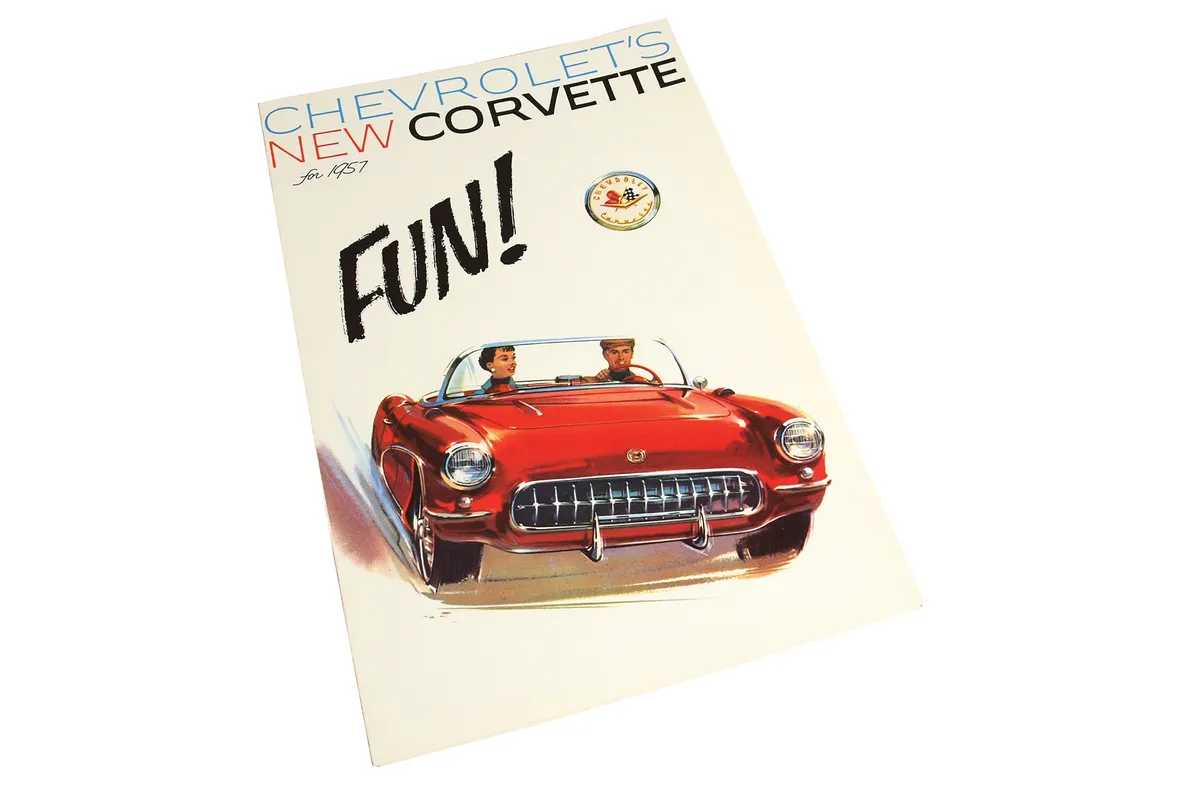
The 1957 Corvette: American Performance and Style
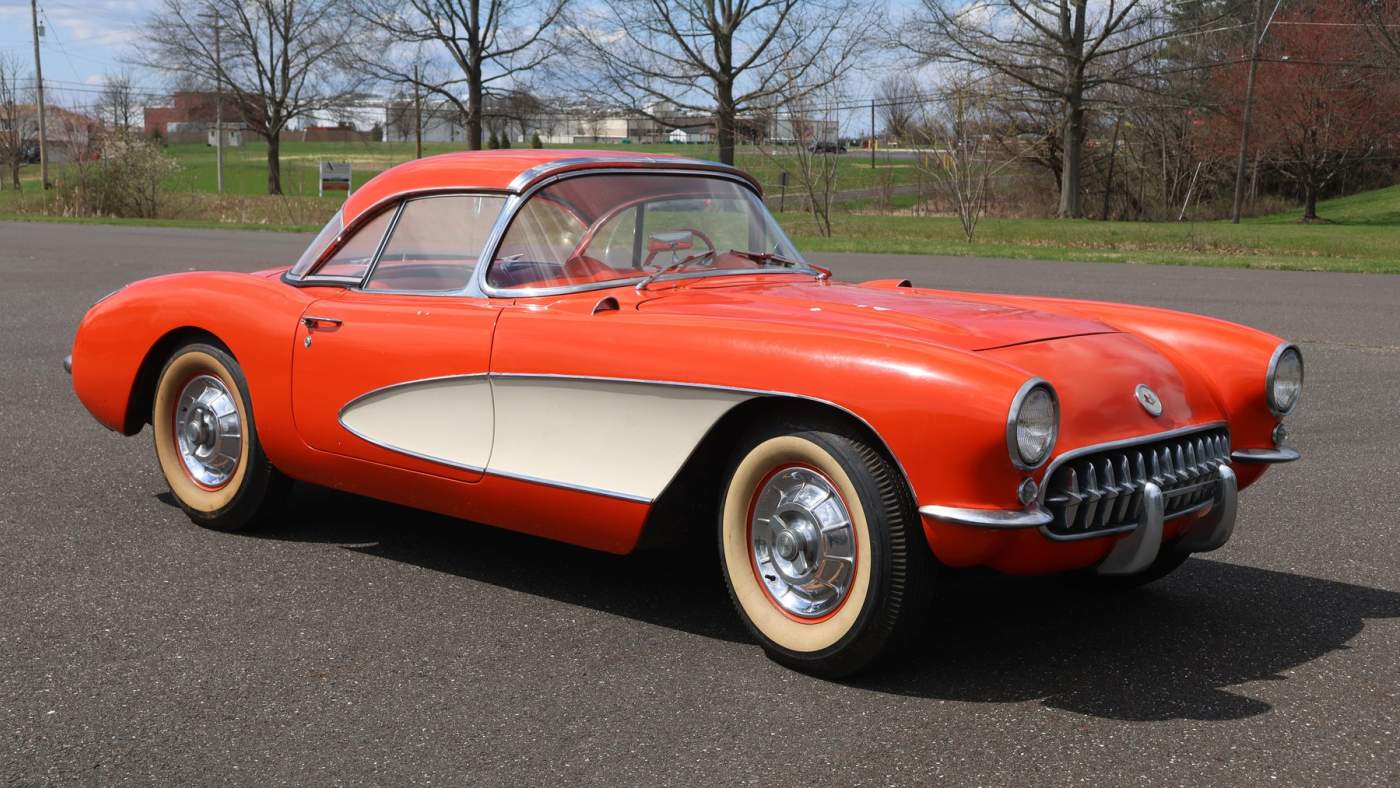
By 1957, the Corvette had firmly established itself as America’s sports car. While this particular example is not fuel injected, it still represents a major leap forward in performance and engineering for the model. Chevrolet had refined the Corvette’s design, pairing its sleek fiberglass body with a powerful V8 engine that delivered impressive speed and responsiveness for its time.The Corvette was built for open roads and long drives. It symbolized freedom, confidence, and a forward looking mindset. Its low profile, bold styling, and performance capabilities made it an instant icon among enthusiasts. What makes the 1957 model particularly significant is its place in the Corvette’s evolution. This was the era when the car truly came into its own, gaining credibility as a performance machine and establishing a legacy that continues today. Even without fuel injection, it represents the spirit of innovation and competition that defined American automotive culture in the 1950s.
.png)
The 1957 Messerschmitt KR200: Engineering Born from Necessity
In stark contrast, the 1957 Messerschmitt KR200 tells a very different story—one rooted in necessity, creativity, and efficiency. Originally developed by an aircraft manufacturer restricted from building planes after the war, the KR200 borrowed heavily from aviation design. Its bubble canopy, tandem seating, and lightweight construction make it one of the most recognizable microcars ever produced. Designed for affordability and practicality, it offered mobility to a population rebuilding its infrastructure and economy.
But the Messerschmitt is more than just a practical solution—it’s a testament to innovative thinking. Every aspect of its design reflects a careful balance between form and function. It may lack the power of a traditional automobile, but it more than compensates with character and ingenuity. Today, the KR200 is celebrated not just as a vehicle, but as a piece of industrial history that represents resilience and adaptation.
.png)
Two Visions of the Same Era
What makes the comparison between these two vehicles so compelling is how clearly they reflect their respective environments. The Corvette speaks to a culture of expansion, performance, and optimism. It was built for wide open spaces and a future full of possibility. The Messerschmitt, on the other hand, represents a world where efficiency and resourcefulness were paramount. It reflects a different kind of optimism—one grounded in rebuilding and making the most of limited resources. Despite their differences, both vehicles share a common thread: they are products of innovation. Each pushed boundaries in its own way, whether through performance engineering or unconventional design.
Collector Appeal and Lasting Significance
For today’s collectors, the appeal of these two vehicles lies not only in their rarity but also in the stories they tell. The 1957 Corvette remains a cornerstone of American automotive collecting, valued for its design, performance, and historical importance. Meanwhile, the Messerschmitt KR200 has gained increasing attention as collectors seek out unique and conversation-worthy pieces. Its distinctive appearance and fascinating backstory make it a standout in any collection.
Together, they represent two ends of the automotive spectrum—power and efficiency, luxury and practicality, tradition and innovation. Owning both is like holding two sides of the same historical coin.
Heading to the April 23rd Collectors Auction
As these two remarkable vehicles prepare to be offered in the April 23rd Collectors Auction, they bring with them not just mechanical value, but cultural significance. They are reminders of a time when the world was redefining itself and when automobiles played a central role in shaping that future. For collectors, this is more than an opportunity to acquire classic cars—it is a chance to own pieces of history that continue to resonate decades later.
Conclusion
The 1957 Corvette and the 1957 Messerschmitt KR200 may appear to have little in common at first glance, but together they tell a powerful story about a pivotal moment in history. They represent two different paths forward—one driven by performance and ambition, the other by ingenuity and necessity. As they head to auction this April, they offer collectors a rare opportunity to own not just vehicles, but symbols of an era that shaped the modern world.